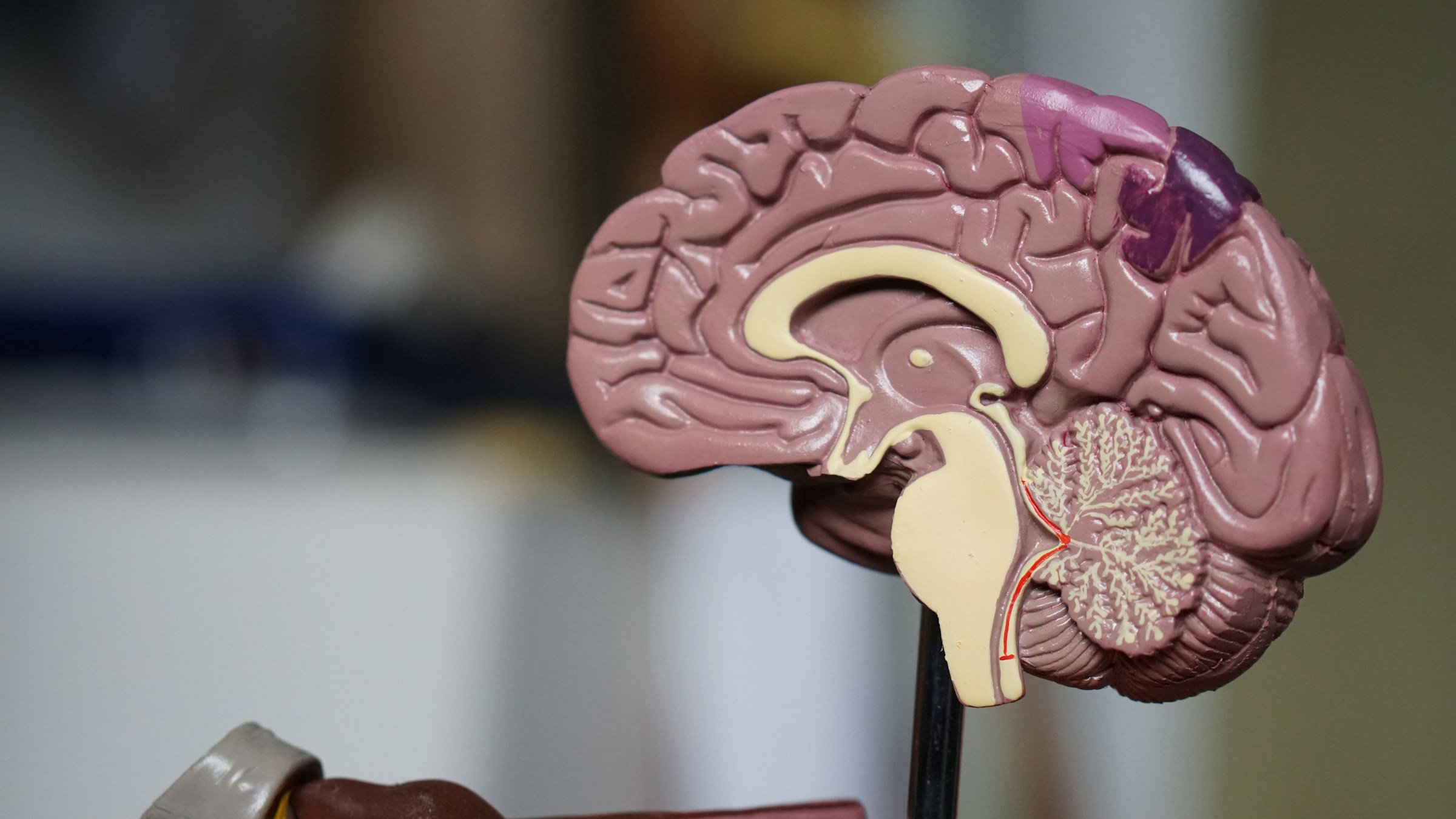

Have you ever noticed how answers show up right when you stop looking for them? It’s late, the world is quiet, and suddenly a problem that felt heavy all day makes sense.
This isn’t luck or overthinking. At night, your brain shifts gears, relaxes its grip, and connects ideas in a new way—allowing solutions to surface without force.
How the Brain Works Differently at Night
During the day, your brain is busy filtering noise, switching tasks, and staying alert to everything around you, which keeps it locked into tight, focused thinking. At night, that pressure fades.
Notifications stop, expectations drop, and your mind no longer has to defend its attention. This quieter state reduces mental clutter and frees up space for deeper connections.
Instead of forcing a solution step by step, your brain shifts into a more relaxed, open mode known as diffuse thinking, where ideas drift, overlap, and link in unexpected ways.
In this state, problems are no longer something to wrestle with but something your mind gently circles, allowing insights to rise naturally.
That’s why answers often appear when you’re brushing your teeth or lying in bed—not because you tried harder, but because you finally stopped trying.
The Role of the Subconscious Mind
Even when you stop thinking about a problem, your brain doesn’t stop working on it. Beneath your awareness, the subconscious mind keeps sorting through memories, patterns, and past experiences, quietly testing connections without pressure or judgment.
This background processing is gentle but powerful, and it works best when you step away instead of staring at the problem head-on. Taking a break tells your brain that there’s no urgency, which lowers stress and opens the door for insight to form.
Without the weight of effort, your mind can combine ideas in ways you wouldn’t consciously choose, often leading to clearer and more creative solutions.
That’s why answers feel like they “arrive” on their own—they were already being built while you weren’t watching.
Why Solutions Appear When You’re Relaxed
When you relax, your brain feels safe enough to explore instead of defend, and that shift is key to creativity. Calm states reduce the pressure to get things “right,” which allows ideas to move freely and combine in new ways.
During the day, stress keeps your mind narrow and alert, focused on avoiding mistakes and meeting demands rather than discovering options. This survival mode blocks flexible thinking and makes problems feel heavier than they are.
At night, as your body unwinds and tension drops, those mental barriers soften, giving your brain room to play, imagine, and connect the dots.
This is the reason why solutions often feel simple once you’re relaxed, because they were always there, waiting for the noise to quiet down.
Sleep, Memory, and Insight
Sleep gives your brain the time and space it needs to sort through everything you’ve taken in during the day. As you wind down, your mind begins organizing memories, strengthening useful connections, and letting go of what doesn’t matter.
This quiet reordering helps patterns stand out, which is why insight often appears right before you fall asleep or just after you wake up. In these moments, your brain is still working, but without the pressure of logic or deadlines.
The result is clarity that feels sudden, even though it’s the outcome of hours of unseen processing. What feels like a quick realization is actually your brain finishing the work you started earlier.
Why Nighttime Thinking Feels Deeper
At night, the outside world finally stops asking things of you, and that absence changes how you think. There are no messages to answer, no roles to perform, and no pressure to react, which gives your mind permission to slow down and turn inward.
In this quieter space, self-reflection becomes easier because you’re not constantly adjusting to others or the next task.
Your brain can step back and notice patterns—how events connect, why certain thoughts keep returning, and what truly matters beneath the noise.
This depth isn’t about thinking harder; it’s about thinking more honestly. When distractions fade, your mind can finally listen to itself.
When Nighttime Problem-Solving Becomes Overthinking
Nighttime problem-solving can quietly turn into overthinking when reflection shifts into repetition. Insight feels calm and clear, while mental spirals feel urgent, tense, and circular, replaying the same thoughts without moving forward.
This thin line matters because your brain cannot solve effectively when it’s exhausted or overstimulated. Signs you’ve crossed it include racing thoughts, shallow breathing, tightness in your body, or the feeling that answers keep slipping further away.
In these moments, your mind isn’t asking for more effort but for rest. Pausing, sleeping, or letting the thoughts go is often the most productive response.
How to Use Nighttime Insights Without Losing Sleep
Nighttime insights are valuable, but they shouldn’t cost you your rest. When a clear idea surfaces, capture it quickly with a short note or voice memo, then permit yourself to let it go.
This reassures your brain that the thought is safe and doesn’t need to be held overnight. Simple habits like a consistent wind-down routine, gentle breathing, and limiting stimulation before bed help your mind process naturally without staying alert.
The goal isn’t to shut your thoughts off, but to create enough trust that your brain knows it can finish the work tomorrow. Good sleep protects the very clarity you’re trying to keep.
Final Thoughts
Your brain knows when to work and when to rest. Trust its timing.
When you stop forcing answers and allow space for quiet, solutions often arrive on their own. Sometimes, the smartest move is simply letting your mind do what it already knows how to do.
FAQs
Why do I think more clearly at night?
At night, distractions fade and pressure drops, which allows your brain to relax and make connections more easily.
Does my brain really work on problems while I sleep?
Yes. Even when you’re not aware of it, your brain continues organizing information and forming insights in the background.
Why do solutions appear when I stop thinking about a problem?
Stepping away lowers stress and shifts your brain into a more open, creative state where answers can surface naturally.
Is nighttime problem-solving a good thing or a bad thing?
It can be helpful, but only if it feels calm and clear. If thoughts become repetitive or stressful, your brain likely needs rest instead.
How can I stop good ideas from keeping me awake?
Write the idea down quickly and remind yourself you can return to it later. This helps your mind relax and let sleep take over.
