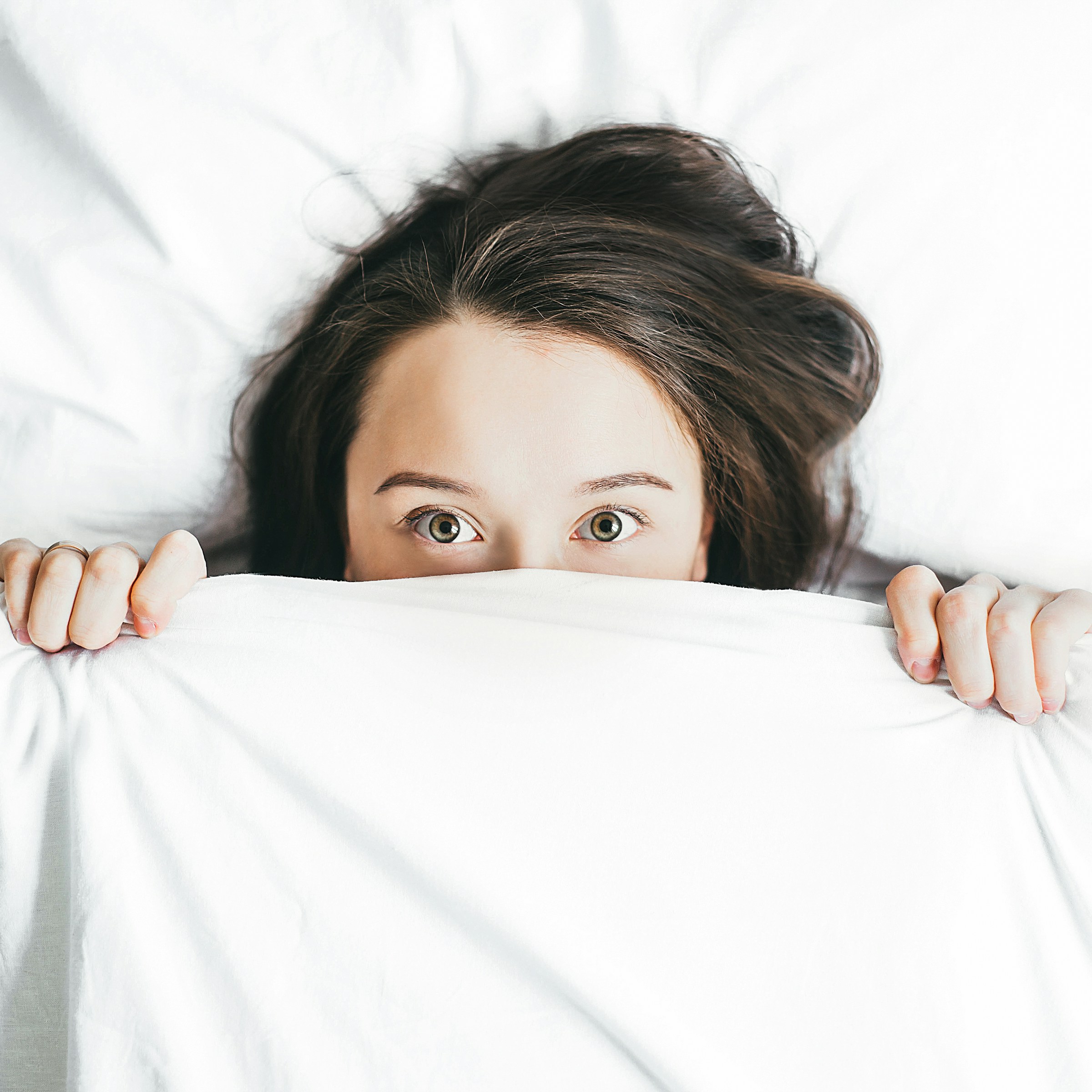

Nighttime anxiety doesn’t always arrive as a panic attack. Sometimes it’s quieter—an uneasy feeling, a restless mind, a sense that something isn’t quite right once the lights go out.
That can be confusing. You may feel anxious without a clear reason, yet not panicked enough to explain what’s happening or why sleep feels so hard.
You’re not alone in this. Many people experience anxiety this way at night, and with the right understanding and support, it can be managed.
What Is Nighttime Anxiety Without Panic?
Nighttime anxiety without panic is a form of anxiety that stays in the background rather than exploding into intense fear.
Your body feels alert, your mind stays busy, and a sense of unease lingers, but there’s no racing heart, shortness of breath, or sudden surge of terror that defines a panic attack.
Instead, it shows up as restlessness in your body, quiet worry that loops in your thoughts, and a feeling of being unable to fully relax once you’re in bed. You may feel tired yet wired, calm on the surface but tense underneath.
This is why it’s often mistaken for insomnia or simple overthinking. The problem isn’t a lack of sleep drive or a busy mind alone—it’s anxiety keeping your nervous system slightly activated when it should be winding down.
Because the anxiety is subtle, it’s easy to miss, but its effects on sleep and comfort are very real.
Common Signs and Symptoms
Racing or looping thoughts
At night, thoughts often circle instead of moving forward. You may replay conversations, plan tomorrow, or worry about things that felt manageable during the day.
The thoughts aren’t loud or extreme, but they don’t stop easily. This mental looping keeps your brain engaged when it’s meant to slow down, making rest feel just out of reach.
Tight chest or shallow breathing (without panic escalation)
You might notice subtle physical tension as you lie in bed. Breathing can feel slightly shallow, and your chest may feel tight or heavy, but it doesn’t build into panic.
These sensations are easy to dismiss, yet they’re signs your body is still in alert mode, even if your mind feels calm enough.
Feeling on edge, alert, or uneasy in bed
Instead of feeling safe and sleepy, your body stays watchful. There’s a sense of unease that’s hard to explain, like waiting for something that never comes.
You may feel sensitive to small sounds or shifts in your body, which keeps you from fully settling into rest.
Difficulty relaxing or falling asleep
Sleep doesn’t come naturally when anxiety is present in the background. You may feel tired but unable to let go. The more you try to force sleep, the more aware you become of being awake.
Over time, this can create frustration and worry around bedtime itself, reinforcing the cycle night after night.
Why Anxiety Gets Worse at Night
Fewer distractions and more mental space
During the day, your mind stays busy with tasks, conversations, and movement. At night, those distractions fade, and the quiet creates space for thoughts you’ve been holding back.
Worries that felt small earlier can suddenly feel louder. Without something to focus on, your mind naturally turns inward, and anxiety has more room to surface.
Fatigue lowers emotional resilience
By bedtime, your mental and emotional energy is low. Fatigue makes it harder to manage stress or think clearly. Small concerns can feel heavier, and coping skills that worked during the day may feel out of reach.
This doesn’t mean you’re weak. It means your nervous system is tired.
Stress hormones and the body’s wind-down process
Your body needs to shift from alert mode to rest mode to fall asleep. When stress hormones like cortisol remain elevated, that shift becomes harder.
Even mild stress can keep your system slightly activated, creating tension, restlessness, or shallow breathing. The body wants to sleep, but it hasn’t fully received the signal that it’s safe to do so.
Anticipatory worry about sleep itself
After a few restless nights, sleep can start to feel like a problem to solve. You may watch the clock or worry about how tomorrow will feel if you don’t rest. This pressure increases anxiety right when you need calm.
The fear of not sleeping becomes part of the cycle, keeping your mind alert even when your body is exhausted.
Nighttime Anxiety vs Panic Attacks
Nighttime anxiety and panic attacks may feel related, but they work very differently in the body and mind.
Panic attacks are intense, sudden, and often peak within minutes, bringing a strong surge of fear along with physical symptoms like a pounding heart, dizziness, or a sense of losing control.
They arrive fast and feel overwhelming, which is why they can be so frightening. Nighttime anxiety, on the other hand, moves slowly and stays in the background. The intensity is lower, but the duration is longer.
Instead of a sharp spike of fear, there’s a steady sense of unease, tension, or alertness that can last for hours.
This quiet anxiety doesn’t demand attention the way panic does, yet it wears you down over time by keeping your nervous system slightly switched on when it should be resting.
Common Triggers
Daily stress and unresolved worries
Stress doesn’t disappear just because the day ends. Unfinished tasks, emotional conversations, or worries you pushed aside often resurface at night.
When your body slows down, your mind looks for closure, and anxiety fills the gaps left by unresolved thoughts.
Sleep pressure and fear of not sleeping
After a few restless nights, sleep itself can become a source of stress. You may feel pressure to fall asleep quickly or worry about how tomorrow will go if you don’t.
This fear keeps your mind alert and your body tense, making sleep even harder to reach.
Overthinking health, work, or life decisions
Nighttime creates space for big questions. Concerns about health, job security, relationships, or future plans can feel heavier in the dark.
Without a daytime perspective, these thoughts can spiral quietly, feeding anxiety without turning into full panic.
Caffeine, screens, and late-night stimulation
What you consume and engage with in the evening matters. Caffeine can stay in your system longer than expected, increasing restlessness.
Bright screens, scrolling, or intense content keep your brain stimulated, sending mixed signals to a body that’s trying to wind down.
How Nighttime Anxiety Affects Sleep
Delayed sleep onset
When anxiety is present, falling asleep often takes longer than expected. Your body feels tired, but your mind stays alert, scanning for problems or replaying thoughts.
Even mild tension can delay the natural shift into sleep, turning bedtime into a waiting game that increases frustration.
Light or restless sleep
If you do fall asleep, the rest may feel shallow. You might toss and turn, wake easily, or feel like you never fully sank into deep sleep.
Anxiety keeps your nervous system partially active, which makes it harder for your body to fully relax and restore overnight.
Night awakenings with anxious thoughts
Anxiety doesn’t always stop once sleep begins. You may wake during the night with a sense of unease or a rush of thoughts.
These awakenings can feel sudden, and getting back to sleep may take time as your mind picks up where it left off.
The anxiety–sleep cycle explained
Poor sleep increases anxiety, and anxiety disrupts sleep. After several nights like this, bedtime itself can trigger worry.
Your brain starts to associate night with stress, keeping the cycle going. Understanding this pattern is important because breaking it requires easing the anxiety first, not forcing sleep.
Gentle Ways to Calm Nighttime Anxiety
Simple breathing or grounding techniques
Calming the body is often the fastest way to calm the mind. Slow, steady breathing sends a signal of safety to your nervous system. You might gently lengthen your exhale or focus on how the bed supports your body.
Grounding your attention in physical sensations helps pull your mind out of anxious loops and back into the present moment.
Mental “off-ramps” for looping thoughts
When thoughts keep repeating, trying to stop them usually makes them louder. Instead, give your mind a softer place to land.
This could be a neutral image, a familiar memory, or quietly naming things you can sense around you. These off-ramps redirect attention without pressure, allowing thoughts to slow on their own.
Creating a low-pressure bedtime routine
A bedtime routine works best when it feels safe, not strict. Choose calming activities you enjoy, like dimming the lights, gentle stretching, or reading something light.
The goal isn’t perfect sleep habits. It’s consistency and comfort, which help your body learn that night is a time to unwind.
Shifting focus away from forcing sleep
Sleep comes more easily when it’s not chased. Watching the clock or trying to make yourself sleep increases anxiety.
Instead, focus on rest. Lying quietly, breathing calmly, or simply letting your body relax is still beneficial. When pressure fades, sleep often follows naturally.
When to Consider Professional Help
It may be time to consider professional help if nighttime anxiety doesn’t ease after weeks or months and begins to feel like a constant presence rather than an occasional phase.
When anxiety starts affecting your mood, focus, or energy during the day, or you find yourself planning life around poor sleep, that’s an important signal to pay attention to.
Ongoing nighttime anxiety can also show up alongside other struggles, such as feeling low or hopeless, losing interest in things you once enjoyed, or dealing with long-term insomnia that doesn’t improve with simple changes.
Reaching out for support doesn’t mean something is wrong with you. It means your nervous system may need extra guidance, and help can make nights feel manageable again.
Final Thoughts
Nighttime anxiety without panic is more common than many people realize. It doesn’t mean something is wrong with you, and it doesn’t mean it will last forever.
Calm nights are possible. With understanding, patience, and the right support, your body can learn to feel safe again at bedtime.
Be kind to yourself as you navigate this. Progress is often quiet, just like the anxiety itself, and you don’t have to face it alone.
FAQs
Can anxiety happen without panic attacks?
Yes. Anxiety can exist without panic attacks. It may show up as ongoing worry, restlessness, or tension without the sudden, intense fear that defines panic.
Is nighttime anxiety a form of insomnia?
Not exactly. Nighttime anxiety can cause insomnia, but it’s not the same thing.
Insomnia is about difficulty sleeping, while nighttime anxiety is the underlying mental and physical tension that often keeps sleep from happening.
Can nighttime anxiety go away on its own?
It can, especially when stress levels drop or sleep pressure eases. However, if it lingers or becomes a pattern, gentle coping strategies or support may be needed to fully resolve it.
What helps calm anxiety fast at night?
Slow breathing, grounding your attention in physical sensations, and removing pressure to fall asleep can help quickly. Calming the body first often quiets the mind.
