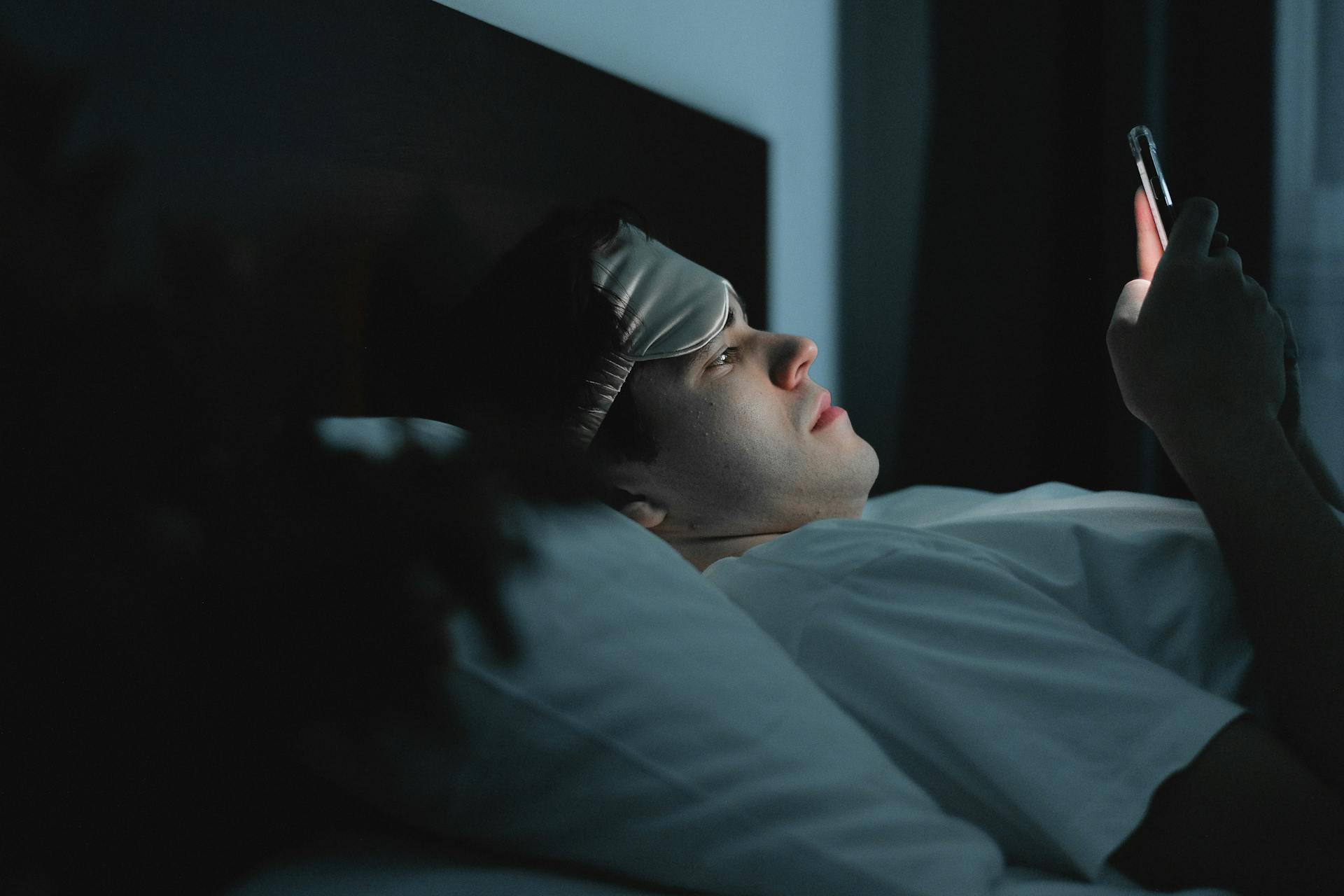

You turn off the lights, put your phone down, and expect sleep to come. Instead, your mind speeds up. Thoughts jump from one thing to another, and rest feels far away.
This happens to many people after using screens at night. Even when your body feels tired, your brain stays alert from the light, motion, and constant input.
In this post, you’ll learn why screen time can trigger racing thoughts before bed and what you can do to calm your mind so sleep feels easier again.
How Screen Time Affects the Brain at Night
At night, your brain is meant to slow down and prepare for sleep, but screens quietly interfere with that process.
The blue light from phones, tablets, and TVs reduces melatonin, the hormone that tells your body it’s time to rest, which makes your brain think it’s still daytime even when the room is dark.
At the same time, scrolling, watching videos, or reading messages keeps your mind active, asking it to react, decide, and absorb new information.
This creates a mismatch where your body feels physically worn out, yet your brain stays busy and alert. You may feel heavy, sleepy, and drained, but your thoughts keep moving because the brain hasn’t received a clear signal to shut down.
Instead of easing into rest, it stays in a low-level “on” state, ready to process more input, which is why exhaustion and racing thoughts can exist at the same time.
Why Racing Thoughts Often Start After Screen Use
Information overload and unfinished mental loops
Screens deliver a constant stream of new information, often faster than the brain can process it. Each post, video, or message creates a small mental thread, and most of them never get closure.
When the screen turns off, those open loops don’t disappear. The brain tries to finish what it started, replaying details, questions, and ideas in the quiet of the night.
Without new input to distract it, your mind fills the silence by running through everything it just consumed.
Emotional triggers from social media, news, or messages
Much of what we see on screens carries emotional weight. A text can stir worry. A post can trigger comparison. News headlines can spark fear or frustration.
These emotions don’t switch off when you put the phone down. Instead, they surface when your mind finally has space, turning into thoughts that loop and grow louder in bed.
Even small emotional reactions can keep the brain alert when it’s supposed to be calming down.
Dopamine spikes and delayed mental shutdown
Screen content is designed to hold attention and reward curiosity, releasing dopamine each time you scroll or tap. This chemical boost helps you stay engaged, but it also delays the brain’s ability to wind down.
Instead of slowly powering off, your mind stays in a stimulated state, expecting more input. When that input suddenly stops, the brain struggles to shift into rest mode, which is why thoughts often rush in the moment the screen goes dark.
Common Signs Screen Time Is Fueling Nighttime Thoughts
Trouble falling asleep despite feeling tired
You may feel physically drained, your eyes heavy, and your body ready for rest, yet sleep won’t come. This often happens when the brain is still stimulated from screen use, even though the body is worn out.
Lying in bed, you might notice your mind jumping from one thought to another instead of settling. The longer you stay awake, the more confusing and frustrating the tiredness can feel.
Replaying conversations, posts, or videos
After screens are off, the brain often replays what it recently saw or read. A short video, a comment, or a message can loop in your mind without warning.
These thoughts may seem random, but they are your brain trying to process unfinished information. In the quiet of the night, those memories feel louder and harder to ignore.
Sudden anxiety, planning, or overthinking in bed
Screen content can quietly trigger stress, even when it doesn’t feel intense in the moment. Once you lie down, that tension can turn into worry, future planning, or overthinking small details.
Your mind may jump ahead to tomorrow or revisit things from earlier in the day. This mental activity keeps the brain alert, making it difficult to fully relax and drift into sleep.
How Late-Night Screen Habits Disrupt Sleep Quality
Reduced sleep depth and frequent wake-ups
Late-night screen use doesn’t just delay sleep; it changes how deeply you sleep once you do drift off. When the brain stays stimulated before bed, it has a harder time entering deeper stages of rest.
Sleep becomes lighter and more fragile, making you more likely to wake up during the night. Even small noises or movements can pull you out of sleep because your brain is never fully powered down.
Shortened REM cycles
REM sleep is the stage where the brain processes emotions, memories, and learning. Screens before bed can shorten or delay this phase by keeping the mind alert longer than it should be.
When REM cycles are cut short, the brain doesn’t get the full chance to reset. Over time, this can increase emotional sensitivity and make nighttime thoughts feel even more intense.
Feeling mentally foggy the next day
Poor sleep quality often shows up the next morning as mental fog. You may feel slower, less focused, or emotionally off, even if you slept for several hours. This happens because the brain didn’t get the deep rest it needed.
The cycle can repeat, as daytime fatigue often leads to more screen use at night, making it harder to sleep well again.
Simple Ways to Reduce Screen-Induced Racing Thoughts
Setting a realistic screen cut-off time
A strict rule often backfires, so aim for a gentle cut-off instead. Choose a time that feels doable, even if it’s only 20 or 30 minutes before bed. This small gap gives your brain a clear signal that the day is winding down.
Consistency matters more than perfection, and a short break from screens each night can slowly train your mind to settle earlier.
Using night mode and brightness controls (and their limits)
Night mode and lower brightness can reduce some strain on the eyes, but they don’t remove mental stimulation. Your brain still reacts to movement, text, and emotional content.
These settings help, but they are not a full solution. If you rely on them alone, your mind may stay active even though the screen looks softer.
Replacing scrolling with low-stimulus activities
What you do after screens matters as much as when you stop. Quiet activities like reading a few pages, stretching, or sitting in dim light allow the brain to slow naturally.
These moments feel uneventful, and that’s the point. Low stimulation creates space for your thoughts to settle instead of competing for attention.
What to Do If Racing Thoughts Start Anyway
If racing thoughts start even after you’ve put screens away, the goal is to lower mental pressure rather than force sleep.
Grounding techniques like slow breathing, noticing physical sensations, or gently naming what you can feel help pull attention out of your head and back into your body.
When the mind needs something to rest on, gentle mental distractions can help, such as imagining a calm place, counting breaths, or picturing simple, repetitive scenes that don’t spark emotion or effort.
If thoughts keep looping and tension builds, getting out of bed can actually reduce frustration. Sitting in low light and doing something quiet tells your brain that the bed is for rest, not thinking, and makes it easier to return once your mind feels calmer.
How Long It Takes to Notice Improvements
Improvements often begin sooner than people expect, sometimes within the first few nights of reducing screen use before bed.
You may notice your mind settling a little faster, fewer intense thought loops, or a calmer feeling when the lights go out, even if sleep isn’t perfect yet.
Consistency matters more than doing everything right, because the brain learns patterns through repetition, not strict rules. Small, steady changes send clearer signals to your nervous system than occasional big efforts.
After a week or two, many people find that falling asleep feels less like a struggle, nighttime thoughts lose their intensity, and the mind starts to associate bedtime with rest instead of stimulation.
Final Thoughts
Racing thoughts at night are common, and they don’t mean anything is wrong with you. They are often a sign that your brain just needs clearer signals to slow down.
Small changes to how you use screens in the evening can make a real difference. Even gentle shifts can lead to calmer nights and easier sleep.
Pay attention to what helps and what doesn’t. Your body will tell you when you’re moving in the right direction.
FAQs
Is all screen time bad before bed?
Not all screen time is harmful, but timing and content matter. Screens used close to bedtime can keep the brain alert, especially if the content is fast, emotional, or engaging.
Earlier use or calmer content tends to be less disruptive.
Does reading on a phone count as screen stimulation?
Yes, it can. Even calm reading still exposes your brain to light and keeps it mentally active.
Some people tolerate it better than scrolling or videos, but for others, it can still delay mental shutdown.
Can screen time cause anxiety at night?
Screen time doesn’t create anxiety on its own, but it can trigger or amplify it.
News, social media, or messages can stir emotions that surface once things go quiet, making anxious thoughts feel stronger in bed.
What if screens are part of my nighttime routine?
You don’t have to remove them all at once. Start by adjusting timing, brightness, or content, and notice how your mind responds.
Small changes are often enough to reduce racing thoughts without disrupting your routine completely.
